Latest News

Two Oxen, a Fraud, a Horror Novel, and a National Park

The people who built Estes Park never filed a federal return. The park they created and the income tax arrived eleven months apart.

Buck Timber

Buck Timber

Apr 14, 2026
Two Oxen, a Fraud, a Horror Novel, and a National Park

The people who built Estes Park, the federal income tax, and the eleven-month window that changed everything


BEFORE THE COFFEE GETS COLD


Yesterday was April 15th.


You know what that means. The government sent you its annual reminder that it exists. Most of you filed on time. Some of you filed an extension and are currently pretending that is not a problem. All of you, at some point yesterday, had a thought about how much you handed over and what exactly it bought you.


Buck's answer to that question, for what it's worth, is Rocky Mountain National Park. But we will get to that.


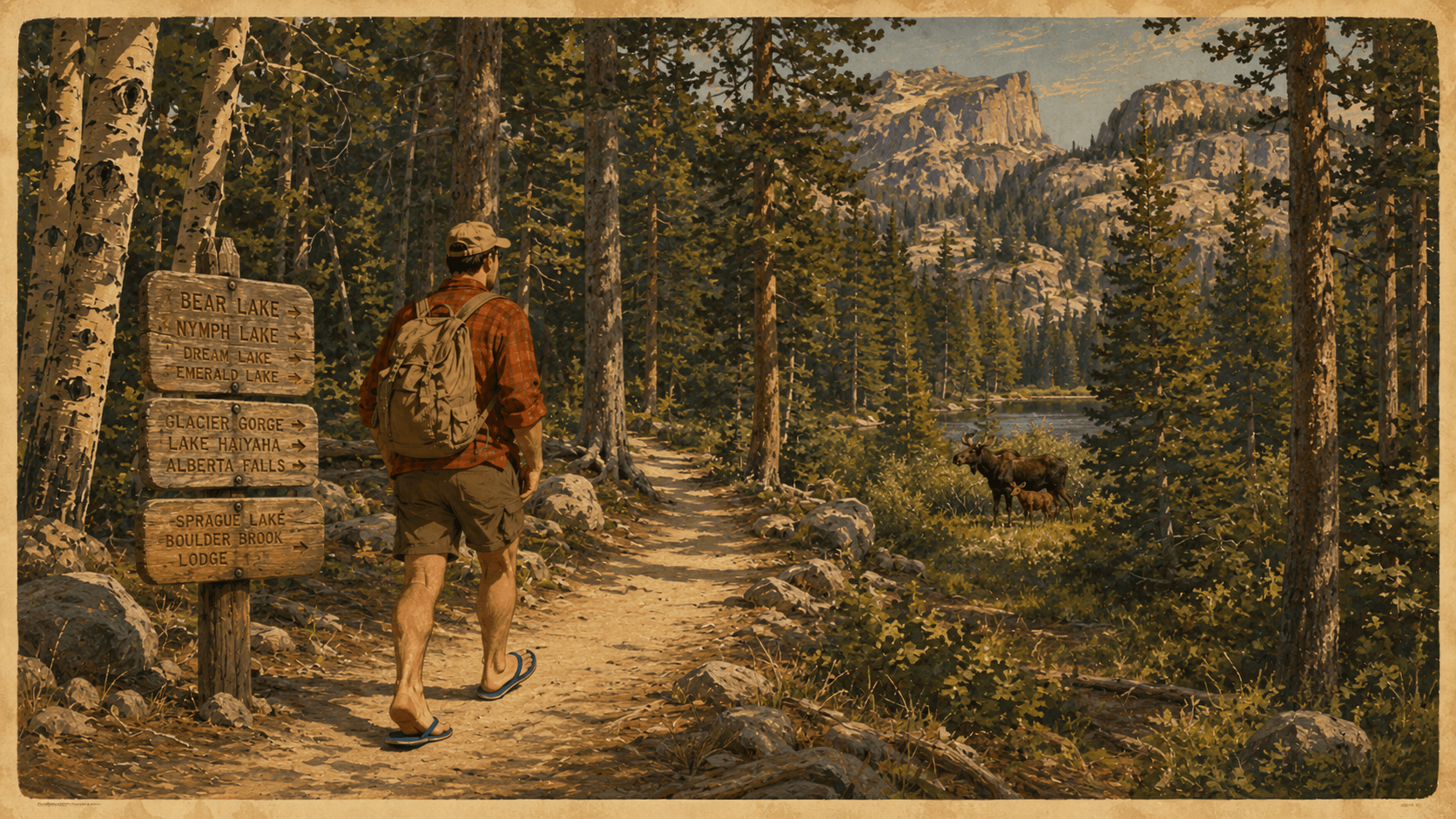
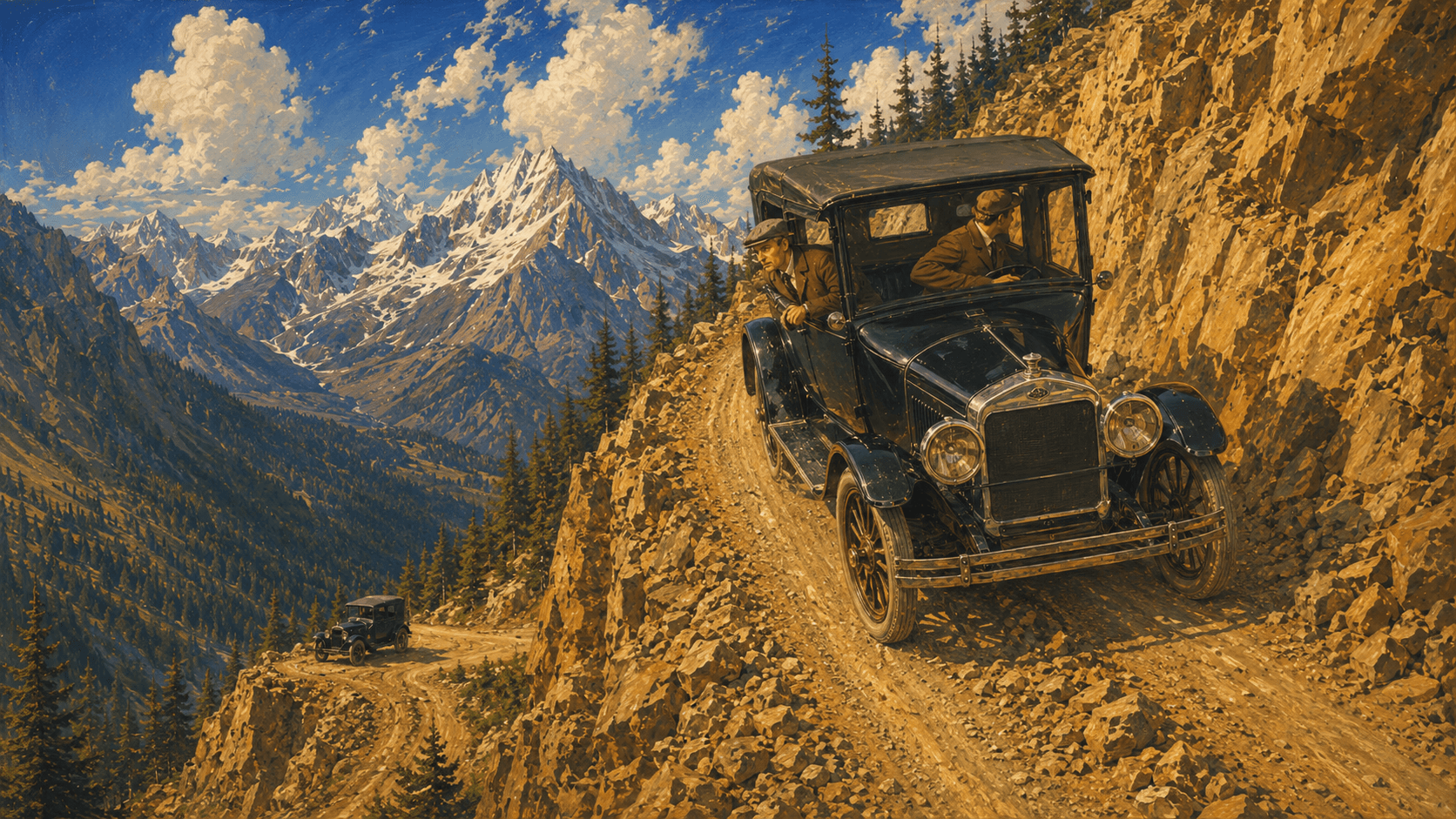
The people who built this valley never had that conversation. Not once. Joel Estes arrived in 1859. Lord Dunraven arrived in 1872. Isabella Bird climbed Longs Peak in 1873. F.O. Stanley drove his steam car up the switchbacks in 1903. Squeaky Bob Wheeler opened his tent resort in 1907. Enos Mills spent twenty-six years lobbying for a national park.

  • Not one filed a federal income tax return. The law did not exist.


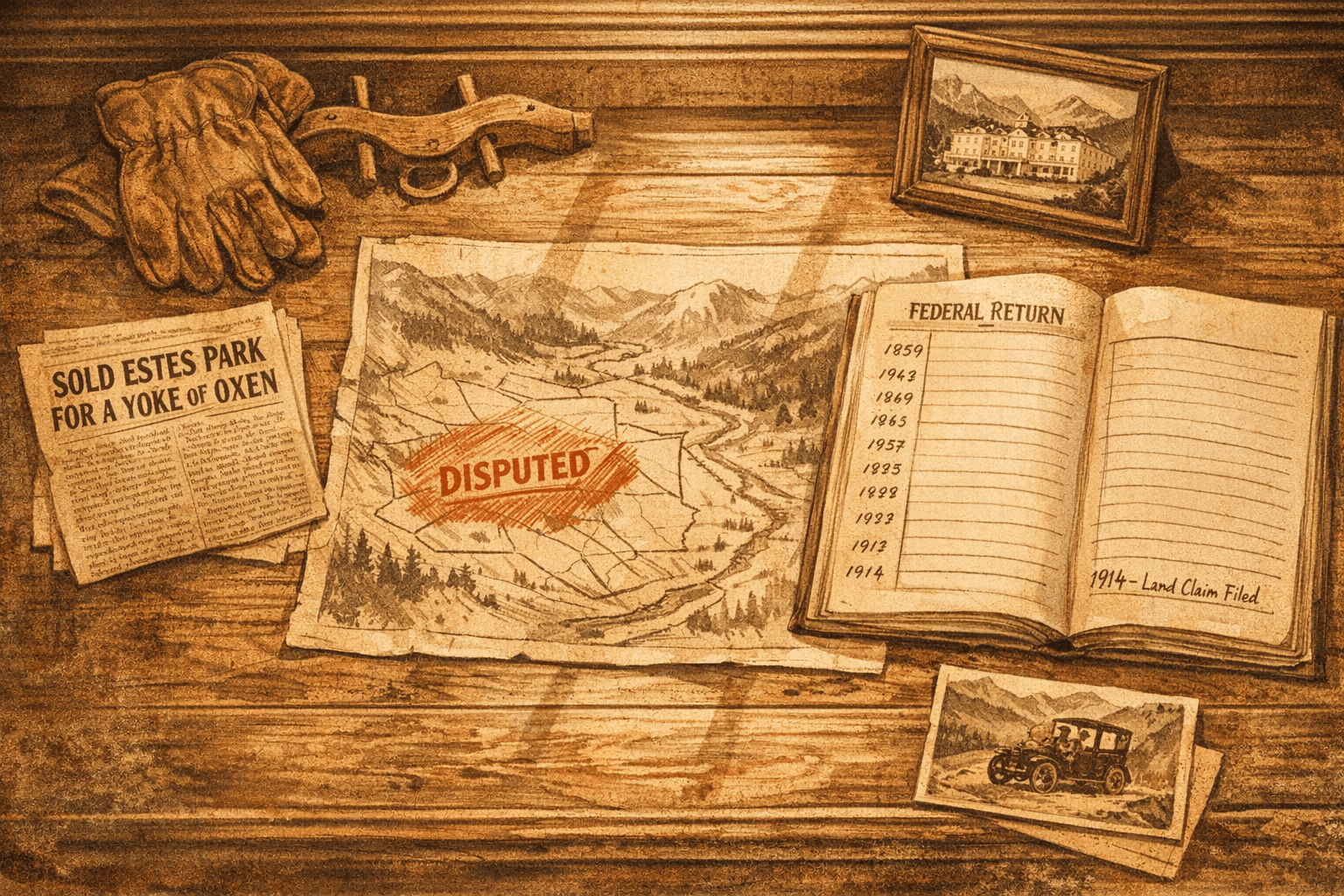
The 16th Amendment was ratified on February 3, 1913. The Revenue Act followed on October 3, 1913—when returns were first due. Rocky Mountain National Park was signed into law January 26, 1915.

  • The park and the income tax arrived in the same eleven-month window of history.


Moe heard that and said it was the most interesting thing anyone had told him on a tax day.

I told him the story gets better from there.


SIT DOWN. THIS ONE'S GOOD.


Nobody Here Paid Taxes Until 1913

The people who built Estes Park, the federal income tax, and the eleven-month window that changed everything


How Did Joel Estes Leave?

Joel Estes arrived in the valley in 1859 on a hunting trip with his son Milton. He was the kind of man who moved west to get away from neighbors and found Colorado because Denver had already gotten too crowded for his taste.

He moved his family in permanently in 1860. Two log cabins near Fish Creek. His son Charles, born there in February 1865, was the first white child born in the valley. They ran cattle. They hunted. They supplied the mining camps in Denver with elk and whatever else the mountain provided.

Then the winters got to them. In the spring of 1866, the Estes family left for the warmer climate of New Mexico. Joel Estes never came back.

He sold out for a yoke of oxen. A Colorado newspaper ran the headline in December 1899: "SOLD ESTES PARK FOR A YOKE OF OXEN."

The valley that still carries his name was a place he could not wait to leave. He never paid federal income tax. He sold everything he had up here for two oxen and a fresh start somewhere warmer.

By any measure, he got out clean.


Who Tried to Steal the Whole Thing?

The Valley Has Been Keeping a File

Eight documented sightings. Fifty-four years. Zero official responses.

Buck Timber

Buck Timber

Apr 8, 2026
The Valley Has Been Keeping a File

BEFORE THE COFFEE GETS COLD

Moe Pass came by Wednesday evening and asked what I was writing this week. I told him I was writing about the thing nobody around here talks about out loud but everybody has a story about.

He sat down without being asked.

There are places up on these trails where the light goes wrong in the late afternoon. Where something moves at the edge of what you can see and by the time you turn your head it is already gone. Most people who have spent real time in these mountains have had a moment like that. Most of them do not file a report. Most of them do not tell anyone.

Some of them do.


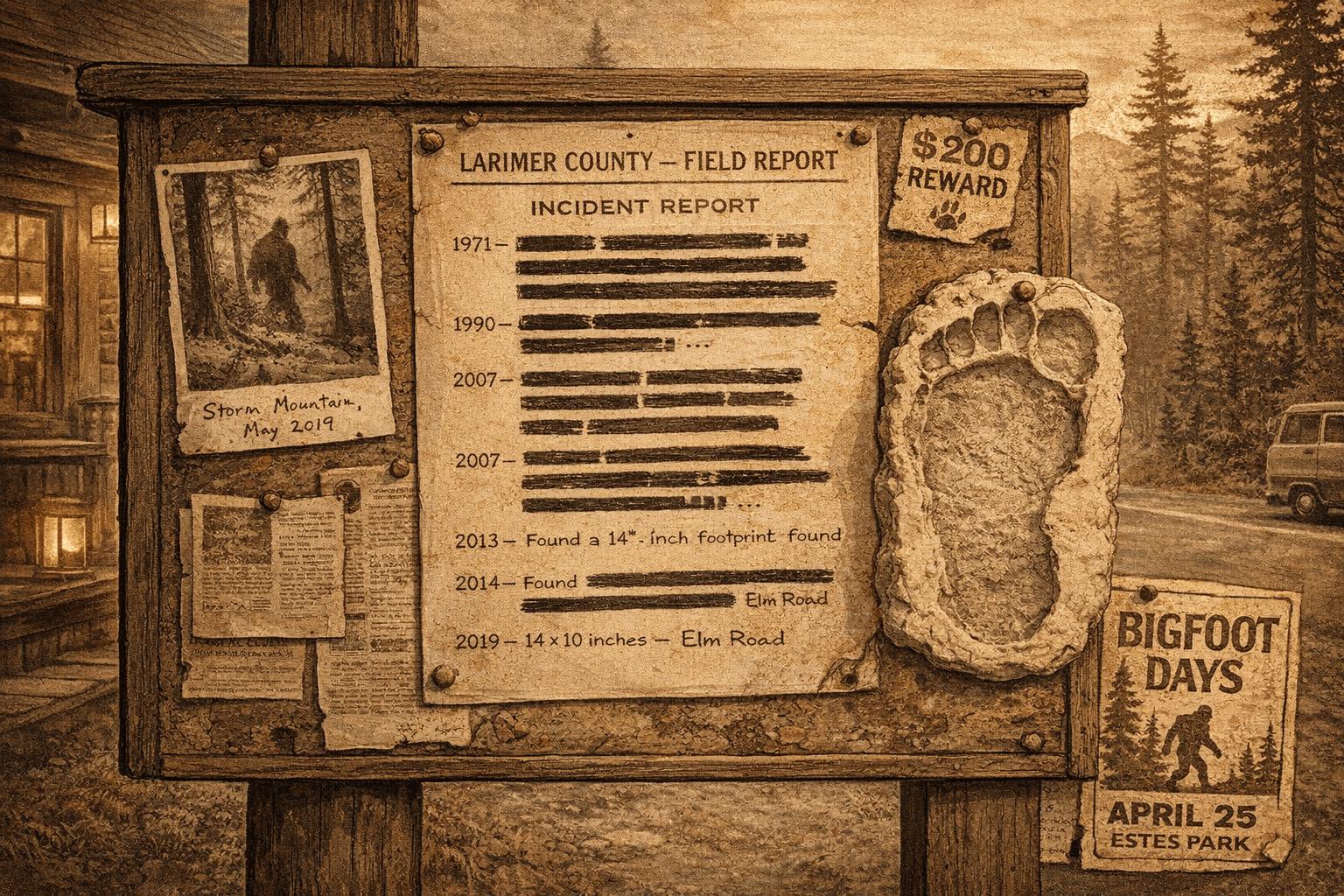
Larimer County has eight filed reports with the Bigfoot Field Researchers Organization. That is eight people who saw something, or found something, or heard something, and decided it was worth putting their name on a document. A doctor. A local property owner. A family hiking with binoculars. A camp guest at the YMCA. A woman alone on Storm Mountain who followed a sound she could not explain.

None of them were looking for this.


Bigfoot Days is coming to Estes Park on April 24-25. Before it gets here, it seemed like a reasonable time to go back through the record and see what this valley and its surrounding country actually has on file.

Moe put down his coffee and said he was going to need a refill for this one.


SIT DOWN. THIS ONE'S GOOD.


Eight Reports

What Larimer County's documented Bigfoot record actually says, and why it is more interesting than you might expect


What Is the BFRO and Why Does It Matter?

The Bigfoot Field Researchers Organization was founded in 1995 and maintains the largest database of reported Bigfoot sightings in North America. Every report is investigated, verified for credibility, and classified. A Class A report means a clear sighting under conditions that rule out misidentification. A Class B report means indirect evidence: sounds, prints, or something at the edge of visibility that could not be confirmed.

Larimer County, which includes Estes Park and the surrounding Roosevelt National Forest, has eight reports on file. What follows is what those reports actually say.

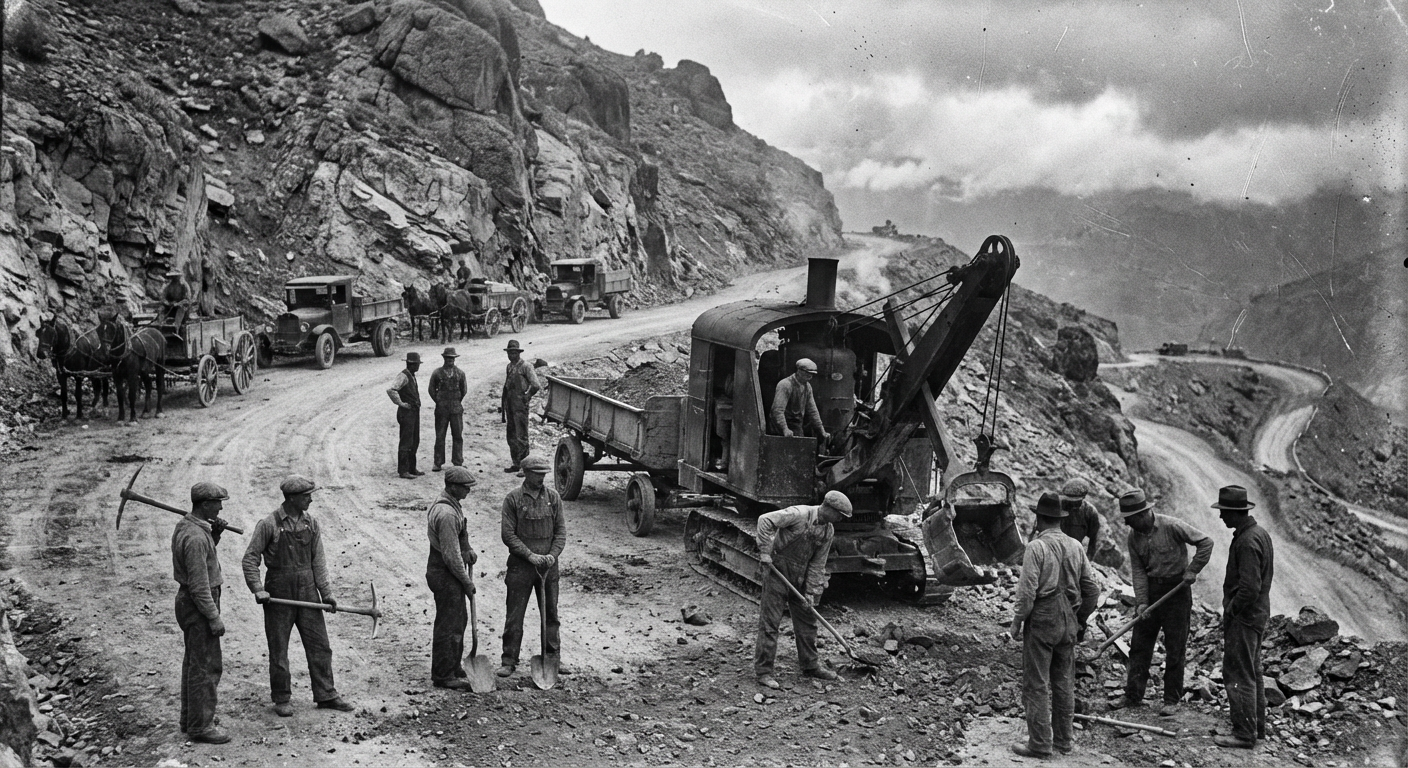
12,183 feet. Half a ton of explosives. One contractor who used 492 of his 500 allotted days.

The story of the 73-year-old contractor, the half-ton blast, and the men who built the highest continuous paved road in North America.

Buck Timber

Buck Timber

Mar 31, 2026
12,183 feet. Half a ton of explosives. One contractor who used 492 of his 500 allotted days.

Before the Coffee Gets Cold

Moe Pass stopped by Tuesday morning with coffee and a look on his face that meant he had been thinking about something on the walk over.

He had been up to the Many Parks Curve overlook earlier that morning, as far as the road goes this time of year, and stood there looking at the tundra. What he saw up there did not make him feel better. Some measurements are calling it the lowest snowpack on record for this time of year. Trail Ridge is bare in places that are not supposed to be bare in March. That is not a weather inconvenience. That is a water supply problem for everyone downstream.


He came inside, set down his coffee, and asked if I had ever thought about what it actually took to build the road we all take for granted every summer.

I told him I had been thinking about it all week.

There is a gate up there right now, closed at Many Parks Curve. Plowing crews will work it when conditions allow and the road will open when it is ready. Given what little snow is up there, it may open earlier than most years. But most people driving it in June give the road itself about as much thought as they give the asphalt in a grocery store parking lot. They should think about it more.

Because the story of how that road got there is genuinely one of the better ones in the history of this valley.


It involves:

  • A 73-year-old man who started his career on the Erie Canal
  • Half a ton of explosives detonated at once
  • Drills that froze solid in December
  • A trail that was already there long before any surveyor arrived

Moe picked up his coffee and said, "Well let's hear it"

So here it is.


SIT DOWN. THIS ONE'S GOOD.


The Road That Shouldn't Exist

How a 73-year-old contractor, a Bureau of Public Roads engineer with a feel for the country, and a trail the Arapaho had been using for centuries became the highest paved road in North America


Why Did They Build It at All?

Before Trail Ridge Road, there was Fall River Road.

Fall River Road was the park's first high-country route, built between 1913 and 1920. It was:

  • Narrow
  • Steep (grades up to 16 percent, curves with 20-foot radii)
  • Prone to snowslides

It got the job done the way a bad tool gets the job done: technically, but not well.

By the late 1920s the National Park Service wanted something better. Something that could handle real traffic, connect the east side of the park to the west reliably, and let visitors actually see what they had come to see instead of gripping the dashboard on a switchback.

The answer was a road over the top:

  • 12,183 feet at its peak
  • Eleven miles above treeline
  • The highest continuous paved road in North America
  •  

The reasons were practical:

Jobs. The Depression meant men needed work and the government needed projects. Trail Ridge Road was both.

Access. Scientists wanted to study the alpine tundra. Tourists wanted to see it. Before the road you walked in or you did not go.

Connection. The road would link Estes Park to Grand Lake without going around the entire park.

They started construction in September 1929. The full route to Grand Lake was not completed until 1938. But the first section, east side to Fall River Pass, opened on July 15, 1932.

The Estes Park Trail newspaper called the whole project the "Eighth Wonder of the Modern World" in 1931. It was not finished yet when they wrote that.


Who Was the Man Who Built It?

Grandpa Bredo Is Not the Only One

A brief survey of the frozen dead, and why Estes Park is the most distinguished address in cryonics history

Buck Timber

Buck Timber

Mar 19, 2026
Grandpa Bredo Is Not the Only One

Moe Pass stopped by Tuesday morning while I was reading the paper and asked if I had been following the Frozen Dead Guy Days coverage. I told him I had written about it two weeks ago. He said he knew that. He wanted to know if I had thought about what it means that Grandpa Bredo is arguably the best-housed frozen dead person in the world.

I had not thought about it in exactly those terms.

But Moe is a ranger and he notices things other people walk past. So I put down the paper and thought about it. And the more I thought about it, the more I realized he was right. Bredo Morstoel, a Norwegian grandfather sitting in liquid nitrogen in a 1909 ice house at one of the most famous hotels in Colorado, is living, so to speak, considerably better than most of the other frozen dead people in the world.

Some of those other arrangements have been considerably less comfortable.


PULL UP A CHAIR. THIS ONE'S GOOD.


Who Started All This?

Before Grandpa Bredo, before the Tuff Shed, before any of this became a festival, there was Dr. James Hiram Bedford.

Bedford was a psychology professor at UC Berkeley. He died on January 12, 1967, in California, and became the first human being ever cryonically preserved. A small team of enthusiasts showed up roughly an hour after his death and did their best with the equipment they had, which was not much. The procedure was improvised. Nobody really knew what they were doing. They froze him anyway.

Bedford has been frozen ever since. He is the only person frozen before 1974 who remains preserved today.

His body spent the next two decades passing through several informal arrangements, including time in a garage in Topanga Canyon, before his son Norman finally transferred him to Alcor in Scottsdale, Arizona in 1987. In 1991, Alcor moved him into a new dewar, which is when the world got its first look at how he had held up after twenty-four years. The answer was: better than expected, all things considered.

Bedford has been at Alcor ever since. He is now 59 years into his arrangement. Nobody has a date set for the next check-in.


What About Ted Williams?

The most famous frozen dead person in America is not a Norwegian grandfather who liked fishing and hiking.

It is Ted Williams, widely considered the greatest hitter in baseball history. Williams died on July 5, 2002, at age 83. Two of his three children arranged to have his remains sent to Alcor in Scottsdale over the objections of his oldest daughter, who said his actual final wish had been cremation.

The family dispute played out publicly for years. Court filings. News conferences. Competing accounts of what Ted had actually wanted.

The only documentation anyone ever produced showing that Williams agreed to be frozen is a handwritten note, smudged and stained with grease, found in the trunk of his son's car.

Williams is now at Alcor in Scottsdale, in a building near an airport in an industrial park in Arizona. His son John Henry, who arranged the whole thing, later died and ended up at the same facility. Father and son are now in the same room in separate containers.

Williams' oldest daughter eventually agreed to let the arrangement stand. Her one condition was that the family not attempt to sell her father's DNA.

Nobody has built a museum around Ted Williams. Nobody throws him a festival. The city of Scottsdale has not organized a polar plunge in his honor. He is in a building near an airport. He is well cared for. But nobody is buying a ticket to visit.


So How Is Grandpa Bredo Doing?

Bredo Morstoel is in a 10-foot silver steel dewar filled with liquid nitrogen, inside a climate-controlled 1909 ice house, on the grounds of The Stanley Hotel, monitored remotely by scientists at Alcor in Scottsdale.

He has a museum built around him. He gets visitors every day. He has an exhibit explaining the science of cryonics. He has a Norwegian flag on the wall.

Every March, thousands of people come to Estes Park specifically to celebrate the fact that he exists.

He is not in a garage in Topanga Canyon. He is not in an industrial park near an airport. He is not the subject of a family dispute over a grease-stained note found in a car trunk.

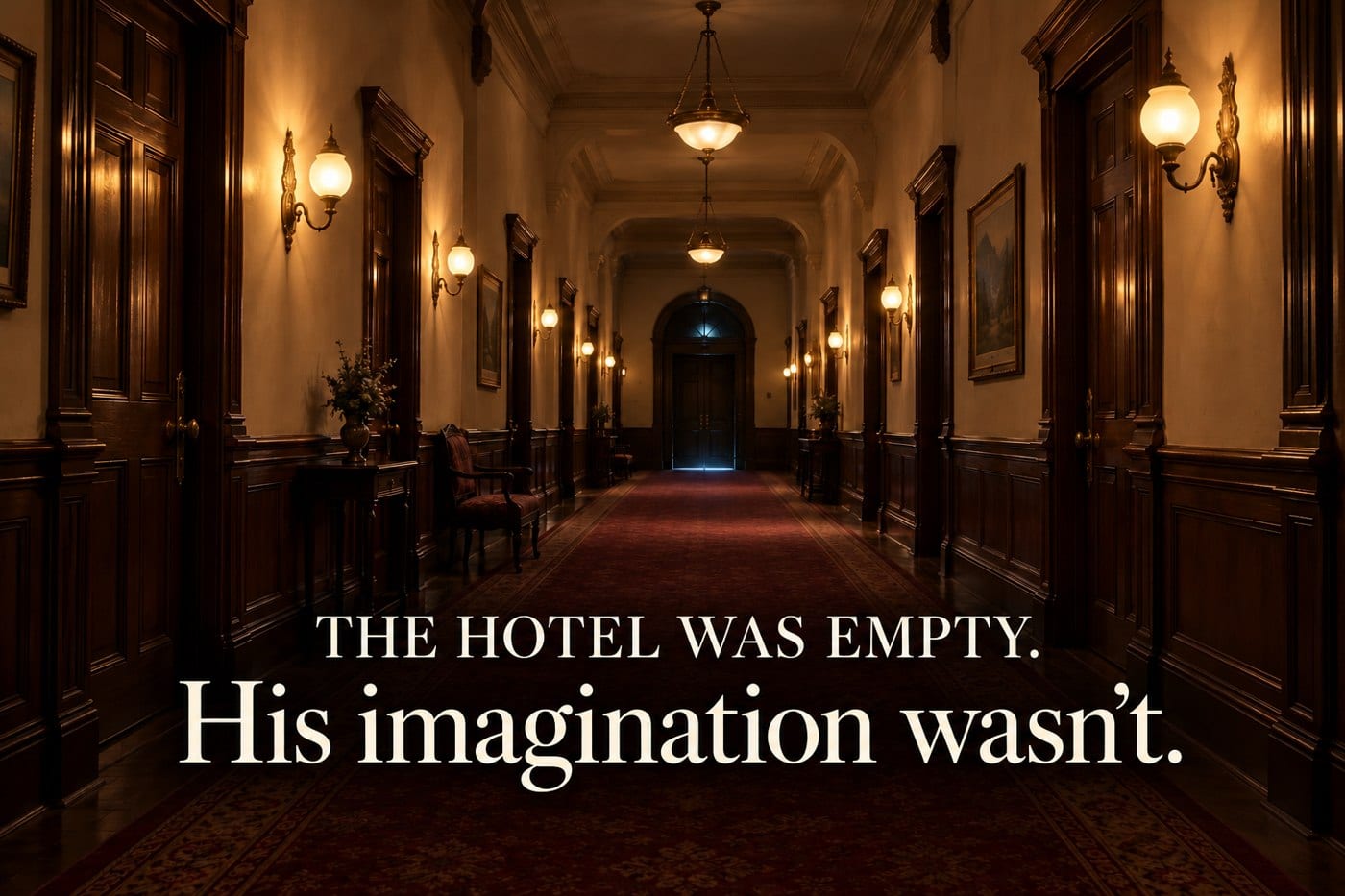
He is in Estes Park. In a building that has been standing since before he was born. Forty feet from one of the most famous hotels in Colorado, a hotel that inspired one of the most famous horror novels ever written, in a town that throws the most unusual winter festival in the American West.

The man landed well.

Moe stood at the door Thursday morning and said, "By the standards of the field, Bredo is doing extremely well."

That is the most accurate thing anyone has said about any of this.

The Names They Left on Everything

How the Arapaho mapped a sacred valley, and what two old men remembered in the summer of 1914

Buck Timber

Buck Timber

Mar 18, 2026
The Names They Left on Everything

Moe Pass came by the other evening with coffee and a question. He had been reading trail signs up near the Mummy Range and wanted to know why the old maps called it something different. The Arapaho name, he said, had never come up in any of his ranger training. Nobody had told him about the White Owls.

I told him to sit down.

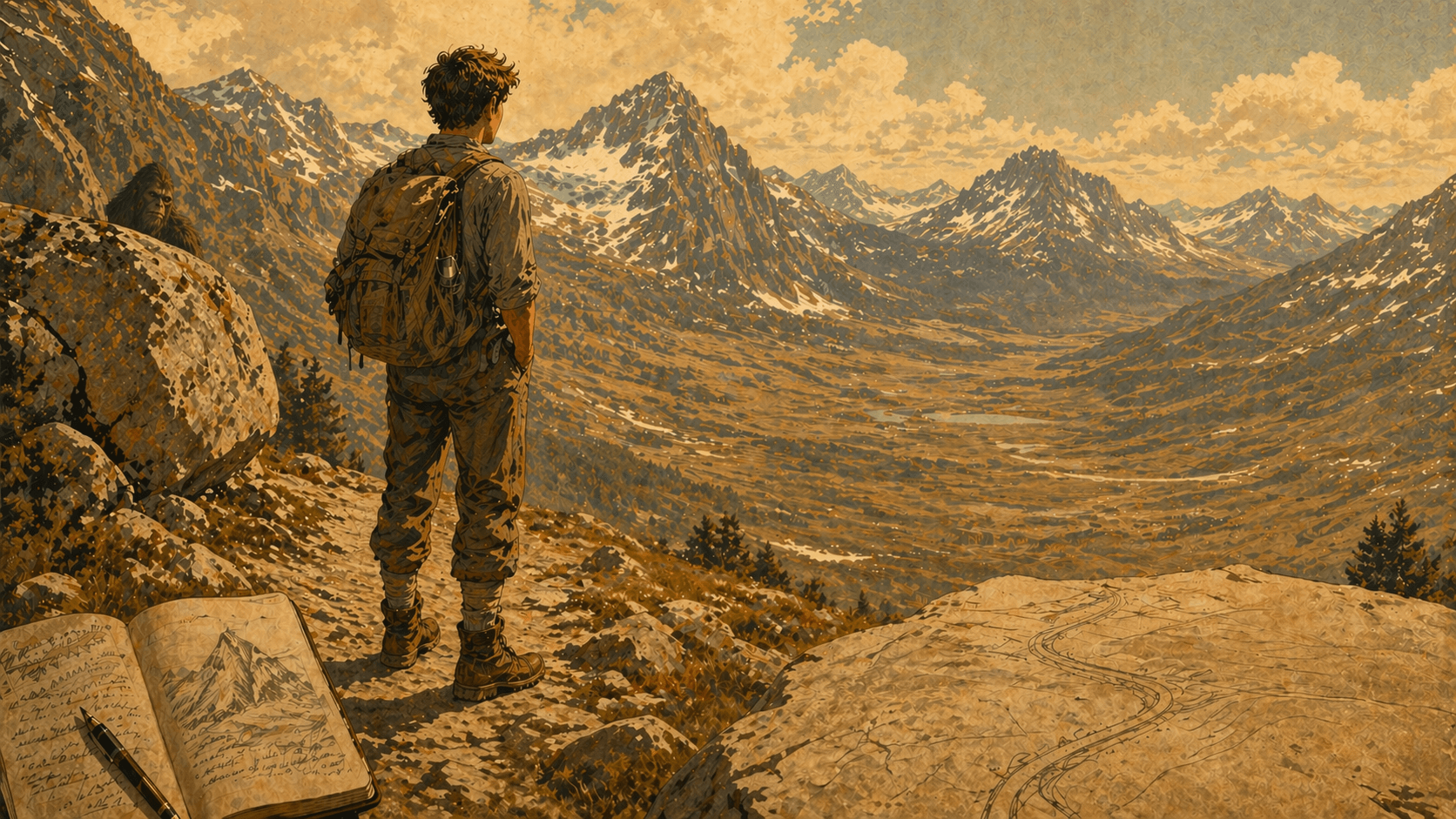
There is a version of this valley that most people walking its trails have never heard. Not the pioneer story. Not the hotel story. Not even the mining story. The one that came before all of those. The one where the names on every ridge and peak and high meadow are not labels but explanations. Where a mountain is not a mountain but a record of something that happened there, told in a language that was spoken here for centuries before anyone arrived with a surveying rod.

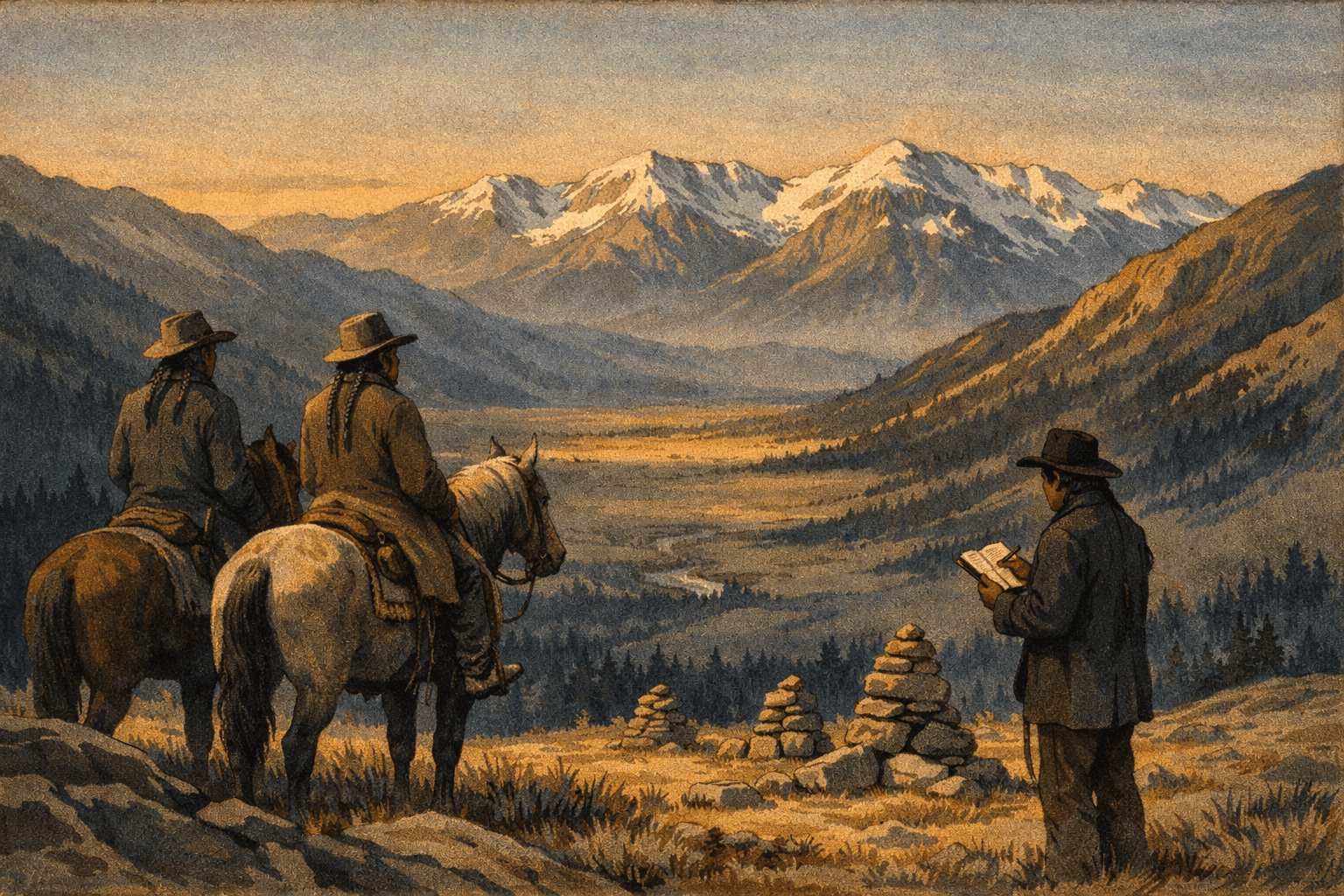
In 1914, two elderly Arapaho men came back to Estes Park for the first time since their childhood. They were brought by a woman from the Colorado Mountain Club who wanted the peaks named before the new national park was formalized. What those two men told her that summer is still sitting in the record, mostly unread.

Moe put down his coffee. "Why doesn't anyone talk about this?"

That is what I said.


PULL UP A CHAIR. THIS ONE'S GOOD.


The Names They Left on Everything


How the Arapaho mapped a sacred valley, and what two old men remembered in the summer of 1914


Who Were the Arapaho of Estes Park?

Before Joel Estes rode into the valley in 1859, before Lord Dunraven tried to buy it, before F.O. Stanley drove his steam car up the switchbacks, the people who knew this place best called it something else entirely.

In Arapaho, the Estes basin was known as "The Circle" — a reference to the shape of the valley and its central place in their world.

They were not casual visitors. The Northern Arapaho summered in what is now Rocky Mountain National Park at least through the 1850s. They hunted, camped, fought battles, and built a geography of meaning across the entire high country. Trails went by specific names. Peaks held specific stories. The land was not blank.

They were pushed out as settlers arrived. By the time the park was formally established in 1915, the Arapaho had been living on the Wind River Reservation in Wyoming for decades. Their names for this place had not made it onto any official map.

That almost did not change.


What Brought Two Old Men Back to the Valley in 1914?

In the summer of 1914, a woman named Miss Harriett W. Vaille was under pressure. She chaired the Nomenclature Committee of the Colorado Mountain Club. The Chief Geographer of the U.S. Geological Survey was pushing her to produce names for the features of the proposed national park. She could have invented them. She did not.

Instead, she traveled to the Wind River Reservation in Wyoming and persuaded two elderly Arapaho men to make the journey back to a place they had not seen since childhood.

Their names were Gun Griswold, age 73, a judge on the reservation, and Sherman Sage, age 63, the reservation's chief of police. They arrived at the Longmont train station on July 14, 1914, accompanied by Tom Crispin, a 38-year-old interpreter who was half Arapaho, half white, and well suited to the task.

A young Princeton student named David Hawkins came along to take notes. A local guide named Shep Husted led the horses. And a man named Oliver W. Toll, Miss Vaille's cousin, agreed to manage the whole expedition.

For two weeks, they rode. Past Poudre Lakes. Down the North Fork of the Colorado. Through Lulu City. By way of Flat Top and Hallett's Peak. They spent a night at Squeaky Bob's place on the Colorado. They visited the stone ruins of what local settlers had been calling "Indian Fort" near the Hondius Ranch.

Gun Griswold and Sherman Sage looked at those ruins and corrected the record. It was not an Indian fort in the general sense. It was the Apache Fort. The site of a specific battle, around 1855, when a party of fifty Apache arrived and clashed with the Arapaho across Beaver Park. Sherman Sage had been about four years old. He remembered it. He read the event from the stone markers the warriors had left, small and large piles placed according to custom to mark what happened where.

At the end of the trip, Toll and the three Arapaho men drove to the Agricultural College at Fort Collins and made dictaphone recordings of the Indian place names. The recordings sat in an archive. Most people driving Trail Ridge Road today have no idea any of this happened.


What Is Gianttrack Mountain?

High on the eastern ridge, there is a peak the Arapaho called hinenitee tohnooxeiht. It means, as directly as it can be translated: "where a person made tracks."

The story behind that name is short and has never been explained away.

Warriors traveling the ridge found footprints in the rock. Human footprints. The size of them was wrong. Too large. Much too large. The warriors looked at what was in front of them, and they turned around. They did not follow the tracks to see where they led.

That is the full account. No resolution. No explanation. No monster revealed and defeated. Just men who looked at something and decided the sensible response was to leave.

The name stayed. The mountain still carries it. If you have hiked that ridge and felt something uncomfortable about the scale of things up there, the Arapaho named that feeling a long time before you arrived.


What Did the Arapaho Believe About the Mummy Range?

The long ridge of pale rock that settlers called the Mummy Range for its silhouette had a different name and a different meaning in Arapaho tradition.

They called it nóókubéé3eino': White Owls.

In Arapaho belief, owls are not birds. They are ghosts. They represent night, cold, and winter. To name a mountain range after them is not decorative. It is explanatory.

According to the tradition Gun Griswold and Sherman Sage carried, the Mummy Range is the site of an ongoing battle between two powers: the White Owl, which represents night and winter, and the Thunderbird, which represents day and summer. The two have been fighting there since before anyone can remember.

Look at the range on the north side of Estes Park. Look at how much snow sits on it, and how long it stays. Look at what sits just to the west, a range that settlers named the Never Summer Mountains because the snow there never fully leaves.

The Arapaho explanation for why that part of the high country stays frozen most of the year is simple: the White Owl won.

Whether you read that as myth or as a remarkably accurate observation about regional snowpack and microclimate, the result is the same. The Arapaho named what they saw. They built a record of this place that lasted through displacement, through the establishment of a national park, through a century of tourism that mostly forgot they had ever been here.


What Did the Arapaho Know About Longs Peak?

The peak settlers named for Major Stephen H. Long, who spotted it from forty miles away and never actually approached it, was known to French trappers as Les Deux Oreilles, Two Ears, for the twin silhouette it cuts against the sky. The Arapaho knew the paired peaks as guides, landmarks that told you where you were from fifty miles in any direction.

On the summit, Gun Griswold's father, a noted warrior, hunter, and medicine man, had caught eagles many times over the years. The method was specific: he concealed himself near a stuffed coyote used as bait. When an eagle dropped to investigate, he grabbed it by the feet. The feathers were for war.

That summit was not a viewpoint. It was a working site. It had a specific use, a specific technique, and a specific man known for doing it well.

Before anybody climbed Longs Peak for the summit experience, someone was up there with a stuffed coyote.


What Happened to the Arapaho Names?

Some survived. Oliver Toll's report and the work of Louisa Ward Arps and Elinor Kingery, who compiled High Country Names, preserved a portion of what Griswold and Sage recorded in 1914. Trail Ridge Road follows, as Toll noted, practically the same route as the old Child's Trail. The Dog Trail up Fall River is named for the practice of using dogs to carry supplies.

Most of the names did not make it onto official maps. The peaks got English names. The ranges got English names. The trails got English names.

What remained is what two old men remembered on a two-week ride through their childhood, sixty years after they had last seen it.

The Circle is still the same shape it was. The White Owls still hold the north ridge. The tracks on hinenitee tohnooxeiht are still there, presumably.

Nobody has followed them yet.

"Squeaky Bob Wheeler: The Man Who Hosted a President and Never Changed His Sheets"

Squeaky Bob Wheeler built the Rockies' most famous guest ranch with four tents, sourdough biscuits, and sheets he never once changed. The full story inside.

Buck Timber

Buck Timber

Mar 4, 2026
"Squeaky Bob Wheeler: The Man Who Hosted a President and Never Changed His Sheets"

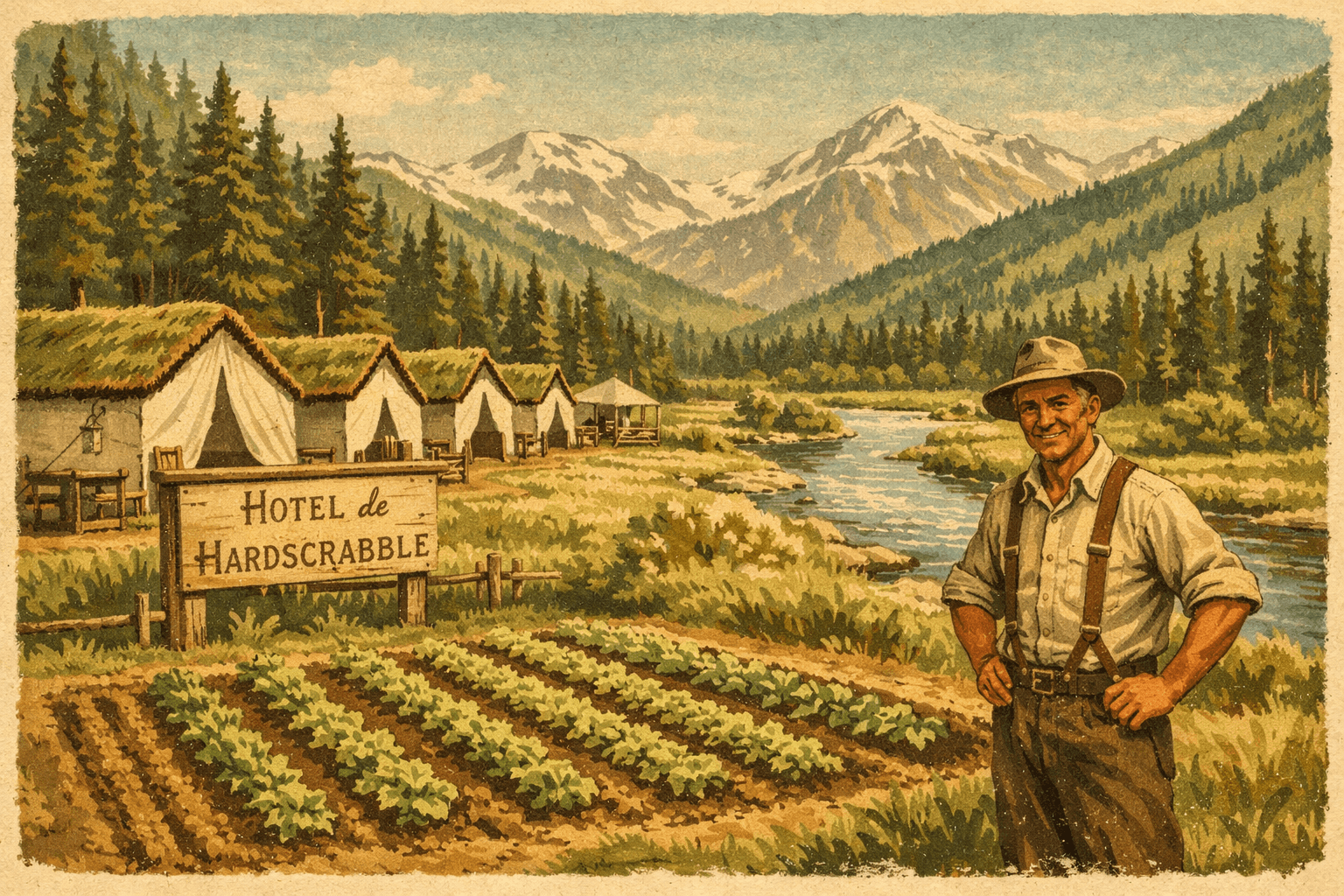
Robert Lincoln “Squeaky Bob” Wheeler left his mark on Colorado history by turning adversity and rugged landscape into legend.


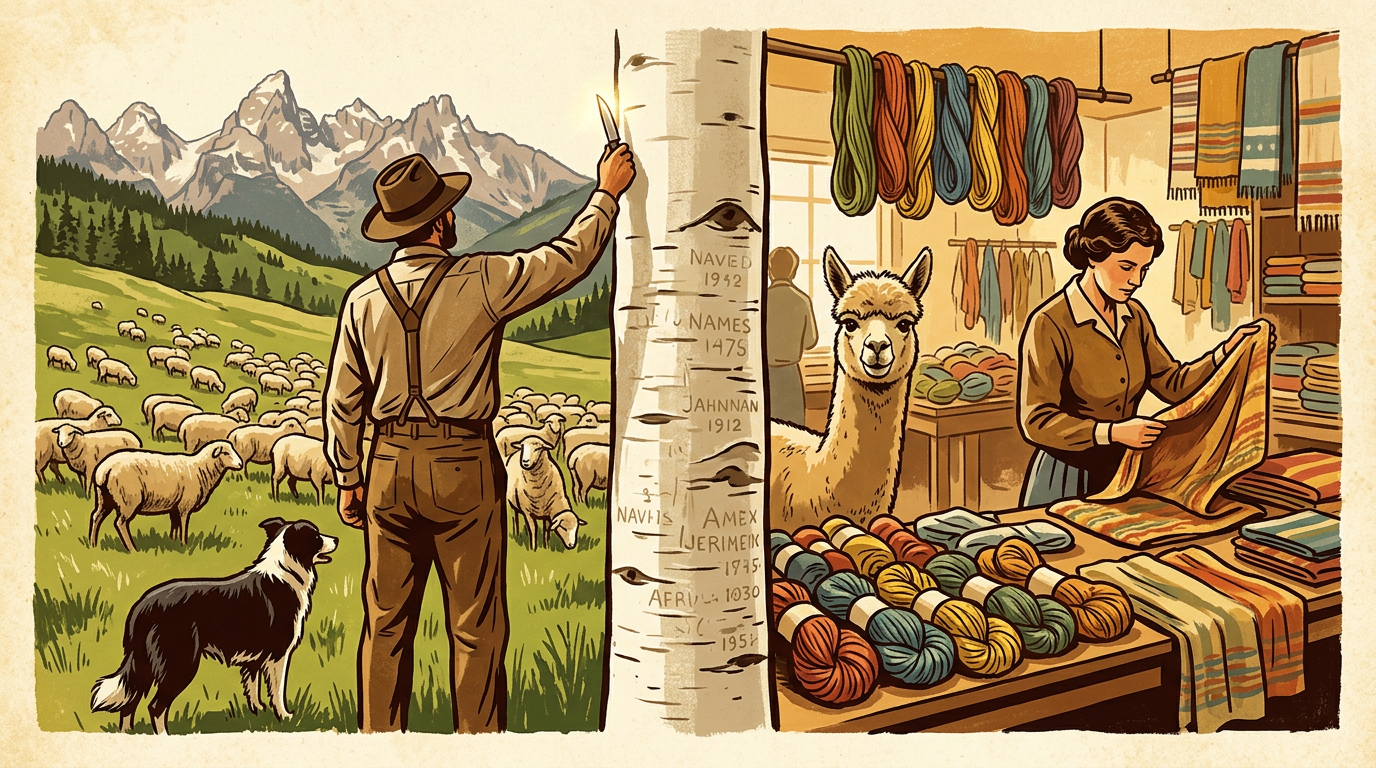
Known for his high-pitched voice—a childhood souvenir of bronchitis—Wheeler homesteaded 160 acres in Phantom Valley near present-day Rocky Mountain National Park around 1900.


He opened the Hotel de Hardscrabble in 1907, serving up hearty meals and stories that lured travelers and even President Theodore Roosevelt.


Sheets never changed, just dusted with talcum powder—yet guests happily returned for his legendary biscuits and hospitality.


Wheeler famously grew head lettuce on “useless” mountain soil, founding the Happy Lettuce Farm and earning a tidy sum while silencing doubters.


He and his wife Allie ran the ranch until he sold it in 1926.


Today, all that remains is a trailhead parking lot—proof that one man's determination outlasts even the mountains’ doubts.

"he Shotgun Gold Scam That Accidentally Built Allenspark, Colorado"

Uncovering the twisted web of deception that transformed a small town - Allenspark's shocking history exposed!

Buck Timber

Buck Timber

Feb 24, 2026
"he Shotgun Gold Scam That Accidentally Built Allenspark, Colorado"

The details in this story are rooted in well-documented local history, drawing on official Boulder County records and respected surveys by the National Park Service.


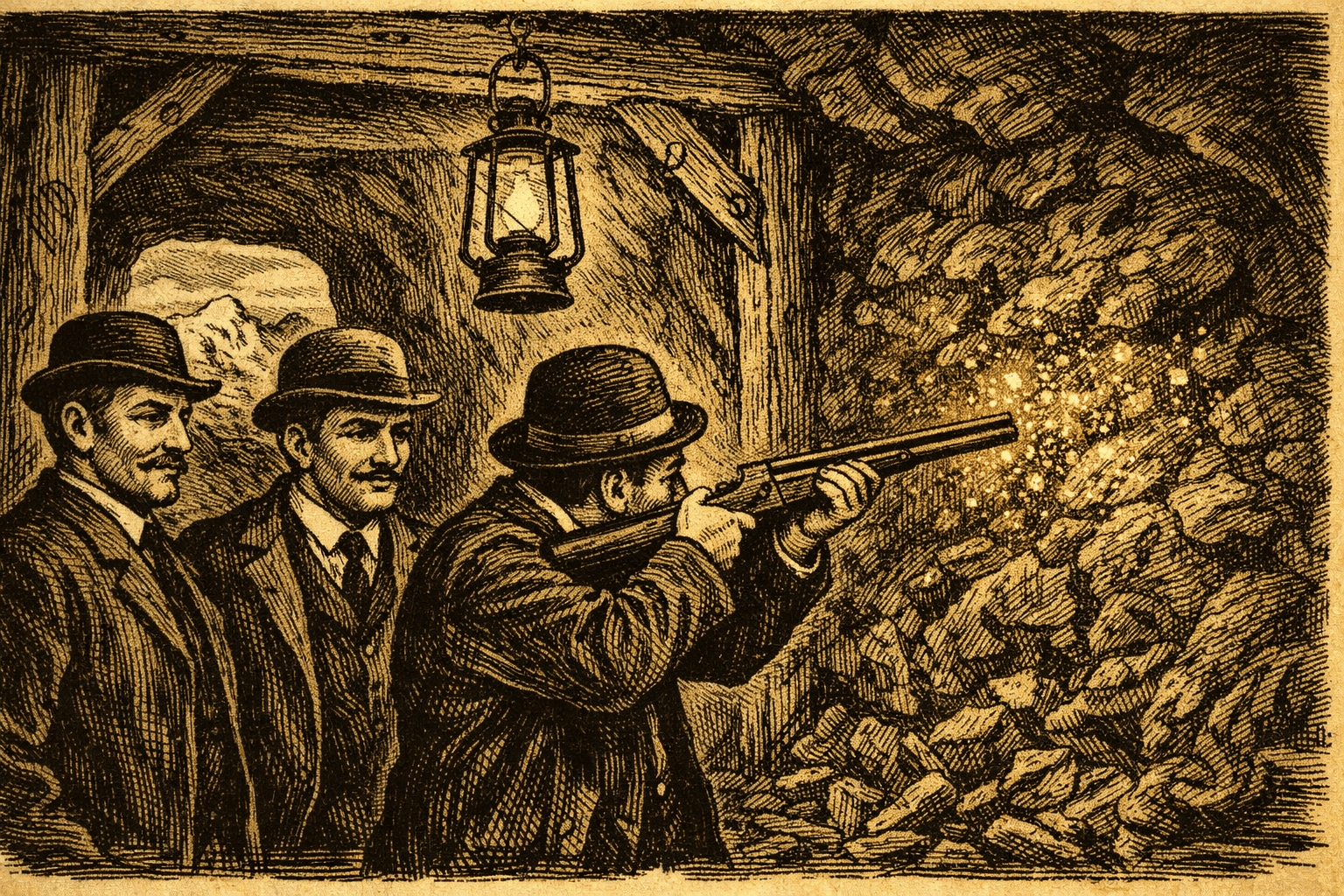
Community lore, particularly from Allenspark resident Edie DeWeese, whose family’s ties reach back to 1904, adds unique color — especially the tale of shotgun-salted mines.


While forensic evidence from the 1890s is absent, the core events of corporate fraud and a pivotal fake gold rush are supported by enduring town memory and official documents.


As with all compelling local history, some details fill in the natural gaps — shaped by generations who’ve learned how legend and truth often intermingle in this valley.


Enjoy the journey through Allenspark’s remarkable past.

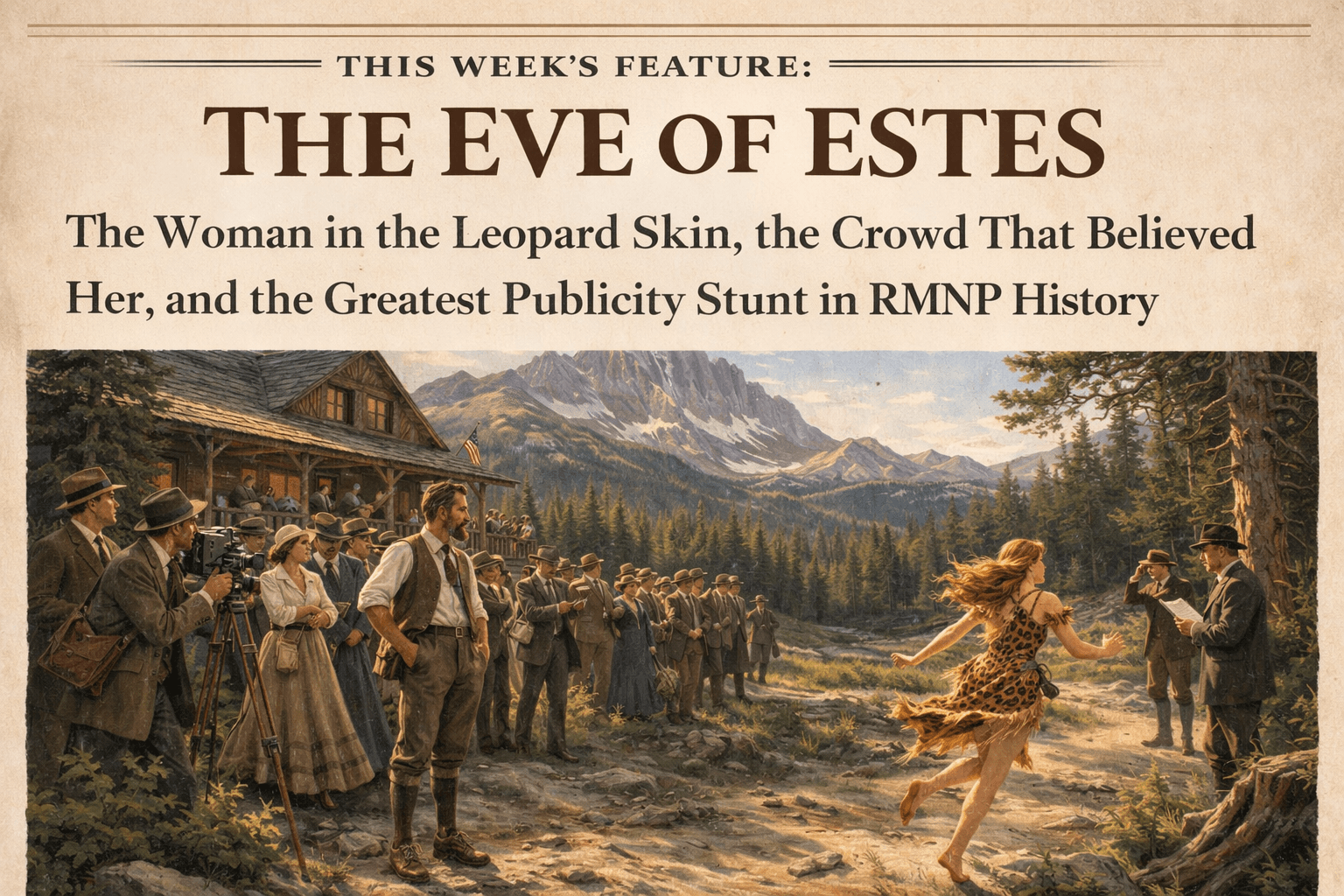
"The Eve of Estes: The 1917 Hoax That Put Rocky Mountain National Park on the Map"

In August 1917, a barefoot woman in a leopard-skin tunic waved goodbye to 2,000 people and walked into Rocky Mountain National Park. Enos Mills was there. The Denver Post covered it daily. Almost none of it was true. This is the real story of Agnes Lowe, the greatest publicity stunt in RMNP history.

Buck Timber

Buck Timber

Feb 19, 2026
"The Eve of Estes: The 1917 Hoax That Put Rocky Mountain National Park on the Map"

In the summer of 1917, Rocky Mountain National Park faced a shortage of visitors, despite its spectacular scenery.


A.G. Birch of The Denver Post devised a bold publicity stunt, enlisting Denver receptionist Hazel Eighmy, giving her the persona of “Agnes Lowe,” and publicizing her barefoot trek into the wilds clad in a leopard-skin tunic.


Backed by park icon Enos Mills, Agnes’s supposed solo survival journey drew thousands of spectators and daily headlines.


Her wilderness messages, encounters with tourists, and a bizarre pursuit by “Adam the Apostle” fueled national fascination.


In reality, Agnes met with a ranger for rest and supplies each night, a fact revealed only after the event.


The spectacle succeeded: attendance at RMNP more than doubled that year.


The legend of Agnes Lowe vanished, but the park’s fame—and the tale’s intrigue—endure to this day.

Longs Peak Rescue

Two climbers rescued from 14,000 feet after calling for help Friday night. National Guard Chinook completes extraction Saturday afternoon.

Buck Timber

Buck Timber

Feb 13, 2026
Longs Peak Rescue

Rangers and multiple rescue teams brought two stranded climbers down from Longs Peak after high winds prevented initial helicopter attempts.

Behind the Mystery: The Hidden Valentine Isabella Bird Never Sent

The untold love story behind Isabella Bird's unmailed Valentine.

Buck Timber

Buck Timber

Feb 10, 2026
Behind the Mystery: The Hidden Valentine Isabella Bird Never Sent

Estes Park has always attracted romantics, but its most poignant love story took place in 1873.


Adventurer Isabella Bird and the rugged Rocky Mountain Jim Nugent formed an unlikely bond as she explored the Rockies.


Despite falling deeply for Jim, Isabella recognized that love is sometimes not enough.


Jim’s charm and devotion couldn’t erase his old wounds — the drinking, the violence, the restlessness.


When Jim’s feelings turned to a proposal, Isabella bravely chose to walk away, writing he was “a man any woman might love, but no sane woman would marry.”


Their bittersweet farewell ended with tragedy — Jim was killed months later, a loss Isabella felt from afar.


The story endures in Estes Park, a reminder that true love sometimes means saying no, choosing clarity and self-respect over longing.

Experience the Expanded Wine & Chocolate Festival in Estes Park

A delightful fusion of flavors and fun awaits attendees of all ages

Buck Timber

Buck Timber

Feb 4, 2026
Experience the Expanded Wine & Chocolate Festival in Estes Park

Save the date: Saturday, February 7, 2026, when the Wine & Chocolate Festival returns to the Estes Park Events Complex from 12 PM to 6 PM.


This year’s event welcomes guests of all ages and unveils a host of new vendors, broadening its appeal beyond wine and chocolate lovers.


Enjoy local breweries, bakeries, and specialty food artisans, all showcasing their best treats alongside beloved chocolate pairings.


Full-price ticket holders receive 10 chocolate samples, complimentary beverage pours, a souvenir wine glass, and a tote bag for their finds.


Designated Driver tickets are available for those who want to enjoy the fun without the drinks.


Sample from lauded names like Evergood Wines, Bookcliff Vineyards, Lumpy Ridge Brewing Company, Colorado Cocoa Pod, and more.


Festivities also include live music, Glow Golf, and caricature art for a full day of entertainment in scenic Estes Park.

Experience the 2026 Winter Olympics at Bogey's Sports Bar in Estes Park

Join the Olympic festivities with live coverage, special events, and patriotic spirit

Buck Timber

Buck Timber

Feb 3, 2026
Experience the 2026 Winter Olympics at Bogey's Sports Bar in Estes Park

Get ready for the 2026 Winter Olympics at Bogey's Sports Bar in Estes Park, the local hotspot for every thrilling moment.


From February 6 to 22, Bogey's features live Olympic coverage on massive screens, transforming into a lively gathering place for fans.


The festivities kick off with an Opening Ceremony Watch Party at 6:00 PM on February 6, plus an interactive Olympic Trivia session where guests can win an official 2026 magnet.


Celebrate Team USA’s victories with the USA Medal Win Special—patrons 21+ enjoy a free well shot for every medal win with valid ID.


Participants can also enter the Olympic Medal Count Challenge for a chance to win a plush mascot at the Closing Ceremony.


Other highlights include a Super Bowl Sunday soup special and Presidents’ Day Weekend events.


For unbeatable Olympic energy, camaraderie, and local flavor, Bogey’s is Estes Park’s go-to celebration spot.

Join the Souper Bowl Cook-Off at Bogey's Sports Bar This Super Bowl Sunday

Experience the ultimate game day with all-you-can-eat soup and thrilling football action

Buck Timber

Buck Timber

Feb 3, 2026
Join the Souper Bowl Cook-Off at Bogey's Sports Bar This Super Bowl Sunday

As Super Bowl Sunday nears, Bogey’s Sports Bar in Estes Park is set to host its lively Souper Bowl Cook-Off on February 8, 2026.


Football fans and foodies can gather at 4:30 PM to catch the game on giant screens, enjoy ice-cold drinks, and soak up the energetic crowd.


For only $5, guests are treated to an all-you-can-eat soup lineup, featuring comforting recipes prepared by local chefs and neighbors.


Located at 281 W. Riverside Dr., Bogey’s Sports Bar is a favorite destination for Estes Park sports lovers, known for its friendly vibe and fun community events.


It’s the ideal spot to experience the game-day excitement while diving into homemade soups.


Save the date and join the celebration this February 8th.

Family-Friendly Winter Activities in Estes Park

Discover the Best Ways to Enjoy Estes Park with Your Family This Winter

Buck Timber

Buck Timber

Feb 3, 2026
Family-Friendly Winter Activities in Estes Park

Estes Park, the picturesque gateway to Rocky Mountain National Park, transforms into a winter wonderland filled with family-friendly adventure.


Sledding at Hidden Valley draws crowds with its dedicated runs, warming hut, and heated restrooms, while the outdoor rink at YMCA of the Rockies invites all ages to skate against a backdrop of snowy peaks.


Snowshoeing trails like Bear Lake Loop offer peaceful, easy explorations, with ranger-led options for extra guidance.


Downtown Estes Park delights with unique shops, cozy cafés, and the interactive Pikas in the Park scavenger hunt.


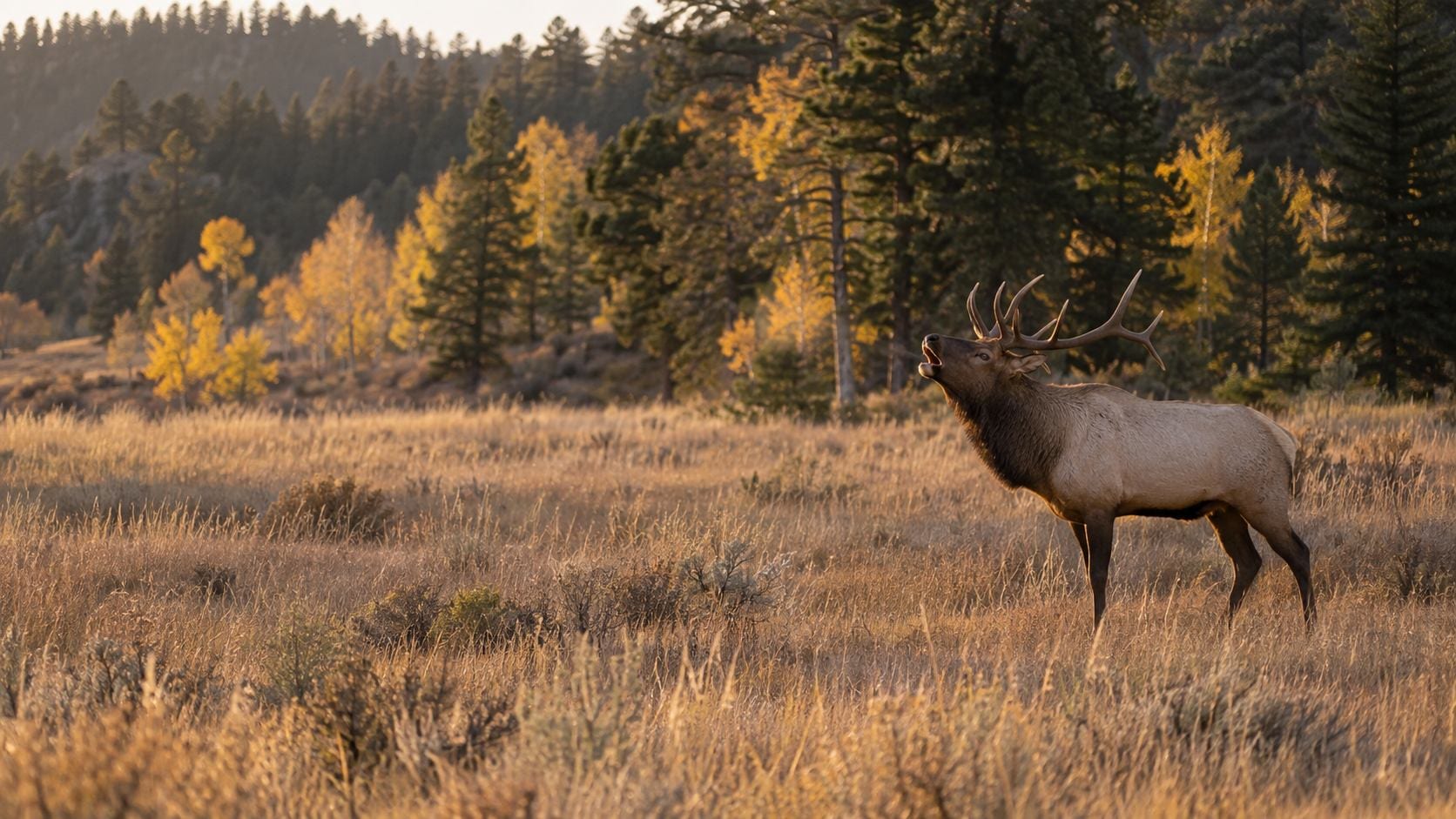
Wildlife enthusiasts can safely spot elk and mule deer roaming nearby meadows.


Families can relax at spots like Holiday Inn Estes Park or Alpine Trail Ridge Inn, and enjoy classic meals at Big Horn Restaurant or Poppy’s Pizza and Grill.


Signature events like Frozen Dead Guy Days and Bigfoot Days add quirky, local flavor to any visit.

New Culinary Experience Coming to Estes Park Golf Course This Spring

Fire Dragon, LLC to Introduce Upscale Dining at the Clubhouse

Buck Timber

Buck Timber

Jan 26, 2026
New Culinary Experience Coming to Estes Park Golf Course This Spring

Golfers and local residents are about to welcome an exciting new dining venue at the Estes Park 18-Hole Golf Course. Fire Dragon, LLC, known for the refined Outlaws and Legends Steakhouse, will bring an elevated culinary concept to the club’s restaurant starting this spring.


The Estes Valley Recreation and Park District board recently approved Fire Dragon’s proposal, with the grand opening anticipated in March, pending final negotiations. The restaurant aims to become a premier community gathering spot, blending top-notch cuisine, service, and hospitality.


Brett Daugherty and Abby Sweeney of Fire Dragon plan to operate the main restaurant, manage on-course food carts, and offer exceptional catering for tournaments and local events.


The menu will appeal to a wide range of tastes, serving everything from quick breakfast fare to evening chef specials. The new venue looks to set a higher standard than previous options at the Hangar, becoming a celebrated spot for residents and visitors alike.

Aspen & Evergreen Gallery Seeks Artists for 'Dead of Winter' Exhibition Amid Frozen Dead Guy Days 2026

Call for Artists to Showcase Winter-Inspired Works in Estes Park's Celebrated Festival

Buck Timber

Buck Timber

Jan 25, 2026
Aspen & Evergreen Gallery Seeks Artists for 'Dead of Winter' Exhibition Amid Frozen Dead Guy Days 2026

Aspen & Evergreen Gallery invites artists to submit work for the Dead of Winter Art Exhibition and Frozen Dead Guy Days 2026 Art Sale this March in Estes Park.


The exhibition will coincide with Frozen Dead Guy Days, celebrating art shaped by winter, folklore, dark humor, surrealism, and the festival’s quirky spirit.


Accepted pieces will be displayed at the gallery and available for purchase; some may rotate due to limited space.


Key dates are February 15 for entry forms, February 27 for artwork submissions, and exhibitions from March 10–27 with public voting for the People’s Choice Award.


An artists’ reception is set for March 27, followed by the festival site sale on March 28.


Awards will focus on creativity and fun, with categories like Best in Show and Most Frozen Dead Guy.


To join, fill out the submission form or contact info@aspenandevergreen.com.

Rocky Mountain National Park Offers Ranger-Led Winter Programs in 2026

Experience the serene beauty of the Rockies through guided snowshoe walks and educational activities

Buck Timber

Buck Timber

Jan 25, 2026
Rocky Mountain National Park Offers Ranger-Led Winter Programs in 2026

Winter in Rocky Mountain National Park transforms the landscape into a serene, snowy escape, inviting families and adventurers to discover the magic of this season.


East of Estes Park, weekly Kid-Friendly Snowshoe Walks at Sprague Lake introduce children to snowshoeing, while challenging hikes lead participants through scenic, snow-draped meadows and forests from late January through March.


All programs require reservations, and visitors bring their own gear and winter clothing.


The interactive RockyLAB at Fall River Visitor Center offers hands-on science and nature activities for all ages, making winter learning fun and accessible.


On the west side near Grand Lake, guided walks and hikes accommodate both kids and experienced hikers, with snowshoes provided and reservations by phone.


These seasonal offerings, made possible by the Rocky Mountain Conservancy, create memorable winter experiences for visitors of every age.

Library Programs Keep Estes Park Connected This Dry Winter

While we wait for snow, the Estes Valley Library offers storytimes, Makerspace classes, and community programs for all ages.

Buck Timber

Buck Timber

Date
Library Programs Keep Estes Park Connected This Dry Winter

The Estes Valley Library is the heartbeat of the community this winter, offering 20+ storytimes, teen programs, and Makerspace training with 3D printers and laser cutters.

Library Programs Keep Estes Park Connected This Dry Winter

While we wait for snow, the Estes Valley Library offers storytimes, Makerspace classes, and community programs for all ages. Plus, EVICS celebrates a transformational grant.

Buck Timber

Buck Timber

Date
Library Programs Keep Estes Park Connected This Dry Winter

Well, folks, February is doing what it has been doing most of this winter up here in the mountains. It is keeping us waiting for the snow. We have had plenty of wind, plenty of dry days, and a whole lot of folks checking the forecast hoping to see those white flakes finally start falling. Maybe this week, huh?


But while we wait for winter to really show up and for Trail Ridge Road to get back to its snowy self, there is a warm spot in town where things are buzzing with activity.


The Estes Valley Library is not just a place to escape the wind, though it is nice to step inside out of the gusts. This winter, they have turned themselves into the heartbeat of our community, running programs that would make even the most dedicated homebody want to venture out.


Something for Everyone


Got little ones climbing the walls? The library is hosting storytimes that will have your preschoolers singing, dancing, and probably napping better afterward. No guarantees, but here is hoping. With 20 different storytime events on the calendar, you can find one that fits your schedule and your kiddo is energy level.


For the bigger kids, tweens and teens, they have got dedicated programming too. We are talking 11 events for the 9-12 crowd and 20 more for teenagers. In a town where we sometimes struggle to keep our young people engaged through the winter months, that is no small thing.


But here is what caught my eye: the Makerspace training classes. We are living in the shadow of some of the most spectacular wilderness in the world, but that does not mean we cannot get hands-on with modern tech. The library is teaching folks how to use 3D printers, laser cutters, and embroidery machines. Imagine that. Your neighbor might be 3D-printing replacement parts for their snowblower while you are reading this.


More Than Books


Now, I know some of you are thinking, Buck, I can watch YouTube videos at home. Sure you can. But you know what you cannot get from a screen? The fellow sitting next to you who happens to know exactly why your laser cut keeps scorching the edges. Or the grandmother who has been embroidering since before most of us were born, sharing tricks she learned from her own grandmother.


That is the thing about our library. It is not really about the books, or the 3D printers, or the meeting rooms. It is about the connections. It is about having a place where the community gathers, learns from each other, and remembers that we are not just individuals trying to get through another dry Rocky Mountain winter. We are neighbors.


Community Notes


Speaking of neighbors supporting neighbors, I should mention the recent celebration over at EVICS Family Resource Center. They opened their doors last week for an open house, and it was quite the turnout. Friends, families, and supporters gathered to recognize a transformational grant that is going to help them do even more for local families. If you missed it, keep an eye on their programs. They are another cornerstone of what makes this valley special.


Your Winter Assignment


So here is what I am suggesting. While we wait for the snow to finally arrive, check out the library is calendar. Pick one thing, just one, that sounds interesting. Maybe it is a storytime with your grandkids. Maybe it is finally learning how that laser cutter works. Maybe it is one of their virtual author talks where you can listen to a writer from halfway across the country without braving the wind.


Winter up here can be long, even without the snow. But between the library is programs, the good work happening at places like EVICS, and the general stubbornness of mountain folks who refuse to hibernate completely, we are going to get through it just fine. And maybe learn something along the way.


Stay warm out there, neighbors.


— Buck

EVICS Celebrates Grant for Family Support

Colorado Health Foundation invests in Estes Valley families through transformational EVICS grant

Buck Timber

Buck Timber

Date
EVICS Celebrates Grant for Family Support

EVICS Family Resource Center celebrated a major milestone with a community Open House, recognizing a transformational grant from the Colorado Health Foundation that will help build a future facility dedicated to supporting valley families.

The Mountain Thread

© 2026 The Mountain Thread.

The Mountain Thread is your community-first newsletter for Estes Park, weaving together local stories, events, and hidden gems from life in the Rockies. With a warm and neighborly tone, it keeps you connected to the people and places that make Estes Park special.

© 2026 The Mountain Thread.